In the modern travel landscape of 2026, cruising has evolved into one of the most diverse and sophisticated ways to explore the globe. No longer confined to the “buffet and ballroom” stereotypes of the past, today’s cruise industry offers everything from high-tech floating cities to intimate, ultra-luxury yachts and rugged polar expeditions. However, with this abundance of choice comes a significant layer of complexity. Booking a “great” cruise is no longer a matter of simply clicking the first deal that appears in your inbox; it is a strategic process that requires careful research, timing, and an understanding of the industry’s inner workings.
To ensure your next voyage is a resounding success, you must approach the booking process with the mindset of a professional traveler. This guide outlines the essential steps to identifying, vetting, and securing the perfect cruise experience tailored to your specific desires.
1. Selecting the Right “Vibe” and Vessel Type
The most critical mistake travelers make is assuming that all cruise lines are essentially the same. In reality, the “personality” of a ship dictates your entire experience. Before looking at prices, you must determine which category of cruising aligns with your lifestyle.
Mainstream Mega-Ships
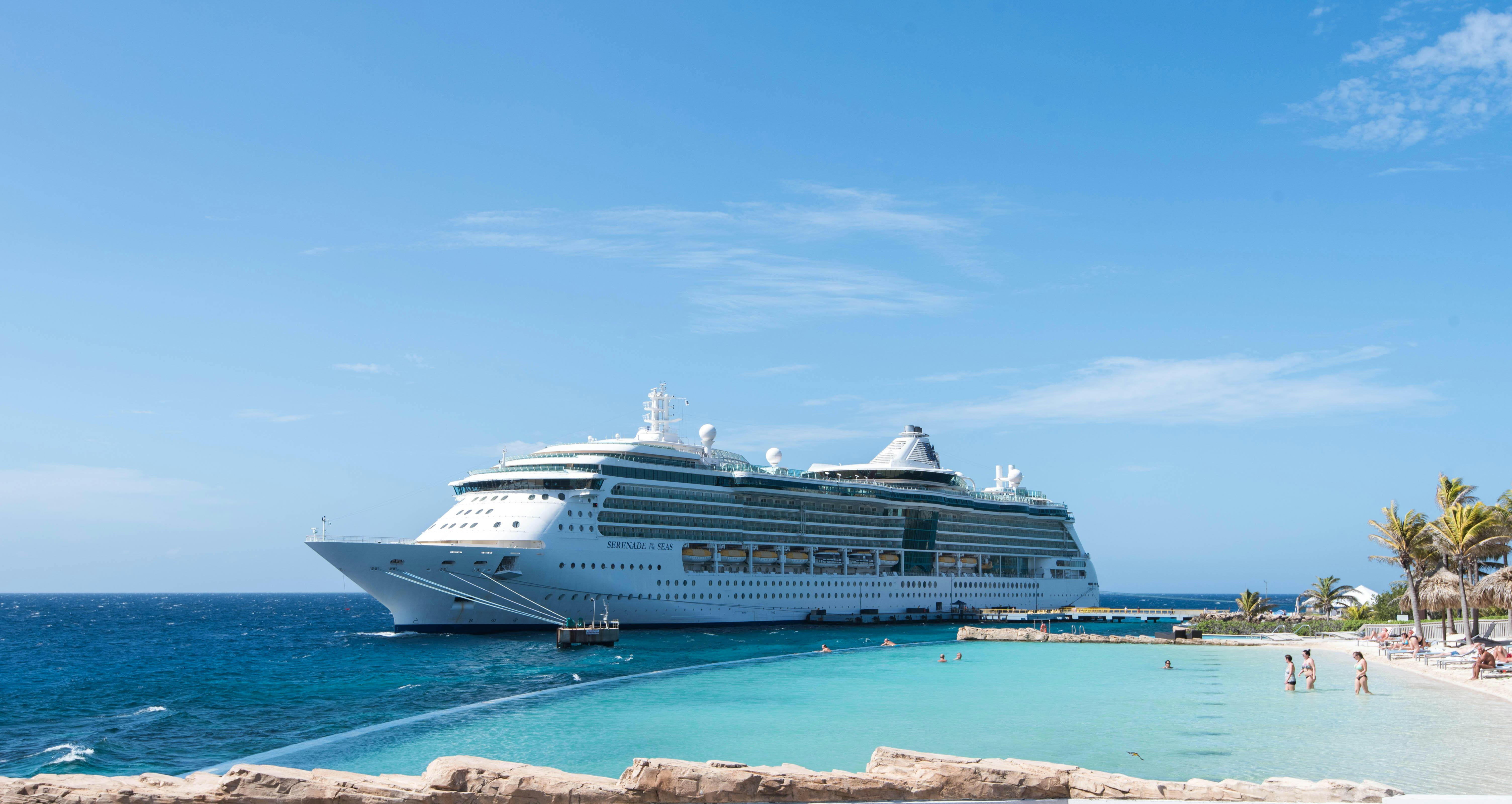
If you are traveling with a multi-generational family or seek constant stimulation, the large-scale contemporary lines are your best bet. These ships serve as floating resorts, featuring Broadway-caliber entertainment, water parks, and a staggering variety of dining options. The focus here is on the ship itself as the primary destination.
Premium and Luxury Lines
For those who value quiet sophistication, culinary excellence, and a higher staff-to-guest ratio, premium and luxury lines offer a more refined atmosphere. These vessels are typically smaller, allowing them to dock in more exclusive ports that the mega-ships cannot reach. Here, the emphasis shifts toward relaxation and personalized service.
Specialty and Expedition Cruises
If your goal is education and adventure, expedition cruising is the answer. These ships are built for rugged environments like Antarctica, the Galapagos, or the fjords of Norway. They often carry a team of scientists, historians, and naturalists, trading evening formal wear for parkas and hiking boots.
2. Strategic Timing: When to Book and When to Sail
In the cruising world, timing is the difference between a budget-breaking expense and an incredible value. There are two primary windows for booking a great cruise.
The “Wave Season” and Early Bird Advantages
“Wave Season” typically occurs between January and March, when cruise lines offer their most aggressive promotions, including cabin upgrades, reduced deposits, and onboard credit. Booking 12 to 18 months in advance is the professional standard, as it ensures you get your choice of specific cabin locations—especially important for high-demand suites or aft-facing balconies.
The Last-Minute Value Play
If you are flexible with your destination and cabin type, booking within 90 days of departure can yield significant “fire sale” discounts as lines scramble to fill remaining berths. However, be aware that airfare costs often rise as the date approaches, potentially neutralizing the savings on the cruise fare.
3. Cabin Selection: The Art of Deck Plan Analysis
A “great” cruise can be ruined by a poorly located cabin. Professional cruisers never leave their room assignment to chance. Instead of booking a “Guaranteed” cabin (where the line chooses the room for you), select a specific cabin number after studying the ship’s deck plan.
Avoiding Noise and Motion
To minimize the sensation of sea sickness, aim for a cabin located mid-ship and on a lower deck, as this is the ship’s natural center of gravity. To ensure a quiet night’s sleep, look for a “sandwich” cabin—one that has other residential cabins both above and below it. Avoid rooms located directly beneath the gym, the nightclub, or the galley, as these areas can produce significant noise during the early morning or late night hours.
4. Calculating the True “All-In” Cost
One of the most frustrating aspects of booking a cruise is the “sticker shock” that comes from hidden fees. A great cruise is one where the budget is transparent from the start.
The Gratuity and Port Fee Factor
Always check if your quoted price includes port taxes and mandatory daily gratuities. These can add several hundred dollars to the total per person. Furthermore, examine the “bundled” versus “unbundled” options. Some lines include Wi-Fi, beverages, and shore excursions in the base fare, while others charge for every individual item. Often, the “expensive” luxury line proves to be better value when you factor in the “extras” that are included for free.
5. Navigating Shore Excursions and Itineraries
A great cruise is defined by what happens off the ship as much as what happens on it. Examine the “Time in Port” for your chosen itinerary. Some cruises only stay in a city for five or six hours, which barely leaves time to leave the pier. Look for itineraries that offer “Late Night” stays or overnights, allowing you to experience the local nightlife and culture.
Independent vs. Ship-Led Tours
While ship-sponsored excursions offer the security of knowing the ship won’t leave without you, they are often crowded and overpriced. Professional travelers often book private, reputable third-party tours for a more intimate and cost-effective experience. However, always ensure these operators have a “back-to-ship” guarantee.
Conclusion
Booking a great cruise is a rewarding endeavor that blends logistical precision with the excitement of discovery. By identifying the right ship personality, analyzing deck plans for the quietest cabins, and calculating the total cost of ownership including hidden fees, you set the stage for an unforgettable journey. The secret lies in the details: the most successful voyages are those planned with foresight and a deep understanding of the maritime experience.
In 2026, the world is more accessible than ever via the ocean. With these professional strategies in hand, you are no longer just a passenger—you are a savvy navigator of your own destiny.