Indonesia’s railway system, managed primarily by Kereta Api Indonesia (KAI), offers one of the most comfortable and scenic ways to traverse the islands of Java and Sumatra. Long-distance train travel is an experience in itself, allowing passengers to witness the dramatic landscapes—from sprawling rice fields and majestic volcanoes to bustling city centers—all from the comfort of their seat.
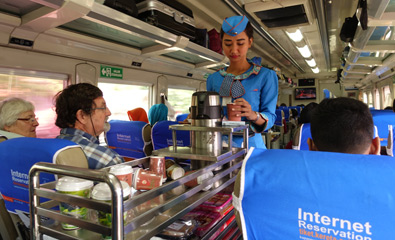
For journeys that often span eight to twelve hours or more, thinking about meals is essential. Fortunately, KAI has developed a structured and efficient system for providing food and beverages, ranging from simple snacks to full, hot meals. This guide will walk you through everything you need to know about ordering food on an Indonesian train, ensuring your culinary journey is as smooth and satisfying as your ride.
1. Understanding the Dining Options: The Different Ways to Eat
When traveling with KAI, you have three primary methods for securing your meals, each catering to different preferences and levels of convenience.
A. Ordering Directly from Your Seat (The Trolley Service)
This is the most common and convenient method. Throughout the journey, trained attendants from the Reska Multi Usaha (RMU)—KAI’s catering subsidiary—will regularly pass through the carriages with a mobile food trolley.
- What’s Offered: The trolley typically stocks ready-to-eat hot meals (like Nasi Goreng, Nasi Rames, or instant noodles), a variety of snacks, hot and cold beverages (coffee, tea, bottled water, soft drinks), and sometimes light pastries.
- How it Works: The attendant will announce their presence in Indonesian, often stating the items available. Simply flag them down, make your selection, and pay directly. Payment is typically accepted in cash (Rupiah) and, increasingly, via digital payment methods like QR codes (e.g., Q-ris).
B. Visiting the Dining Car (Kereta Makan or ‘Restorasi’)
Every long-distance KAI train features a dedicated dining car, known as the Kereta Makan (KM) or Restorasi. This car provides a more extensive menu and a change of scenery.
- The Menu: The dining car menu is usually more comprehensive than the trolley offerings, often featuring freshly prepared items, larger main courses, and sometimes local specialties. You can sit down at a table, stretching your legs and enjoying your meal in a dedicated space.
- Access and Timing: The dining car is generally located in the middle of the train set. Passengers are free to walk through the connecting doors to visit the dining car whenever they wish. It’s an excellent place to take a break, especially during lengthy journeys.
C. Pre-Ordering Your Meal Online (The KAI Access App)
For those who prefer a guaranteed meal choice and guaranteed delivery, KAI offers the option to pre-order food when booking your ticket or even after.
- The Process: When purchasing your train ticket via the official KAI Access mobile application or website, you will often find a prompt to add meals to your booking. You select your preferred meal and pay for it immediately.
- The Advantage: Pre-ordering guarantees that your chosen item will be available, which is particularly useful for popular items that might sell out on the trolley. Your pre-ordered meal will be delivered directly to your seat by an attendant at the appropriate meal time (lunch or dinner). This service is seamless and removes any worry about availability.
2. Navigating the Menu and Payment
The menu on KAI trains is designed to be passenger-friendly, offering popular Indonesian classics.
- Menu Highlights: Expect staples like Nasi Goreng (fried rice), Nasi Rames (rice with various side dishes, often chicken and vegetables), and instant cup noodles (pop mie), which are extremely popular. Prices are generally affordable, though slightly higher than what you would pay outside the train, which is standard for in-transit catering.
- Payment Methods: Always carry cash (Indonesian Rupiah) in smaller denominations. While digital payment via QR code is becoming more common, especially in executive and business class, cash remains the most reliable method for trolley purchases.
3. The Crucial Consideration: Class Matters
While food service is available across all classes (Executive, Business, and Economy), the experience and selection can vary slightly.
- Executive Class (Eksekutif): Attendants are typically more frequent, and the pre-order and digital payment systems are heavily promoted. The dining car experience is usually quieter and the menu may include premium options.
- Economy Class (Ekonomi): Food service is still reliable, but the dining car may be busier, and the menu focuses more on budget-friendly, mass-produced items. Trolley service might be slightly less frequent compared to executive cars.
4. Insider Tips for the Best Train Dining Experience
- Bring Your Own Snacks and Water: While KAI provides excellent service, having your own supply of bottled water, fruit, and non-perishable snacks (like biscuits or nuts) is always wise, especially for long trips or if you have specific dietary needs.
- Ask About Availability: If the trolley doesn’t have what you want, ask the attendant if the item is available in the dining car. If the dining car is too busy, you can still purchase the food there and bring it back to your seat.
- Be Mindful of Time: Meal times on the train generally follow typical Indonesian hours (lunch around 12:00 PM to 1:00 PM, dinner around 6:00 PM to 7:00 PM). If you prefer to eat outside these hours, pre-ordering or visiting the dining car offers more flexibility.
Conclusion: A Delicious Journey Awaits
Train travel in Indonesia is not just a mode of transport; it’s an opportunity to relax, enjoy stunning views, and experience a slice of local life. By understanding the three easy ways to order food—the regular trolley, the dedicated dining car, and the convenient online pre-order system—you ensure that your journey is fueled by delicious and satisfying meals. Prepare to enjoy the rumble of the rails and the taste of Indonesian cuisine as you traverse this beautiful archipelago.