The traditional concept of a vacation package used to conjure images of rigid group tours, sub-par buffet dinners, and cookie-cutter charter flights. However, the travel landscape has fundamentally transformed. Today, bundled travel packages rely on dynamic packaging algorithms, allowing travelers to combine flights, accommodations, ground transport, and curated activities into highly tailored, cost-effective itineraries.
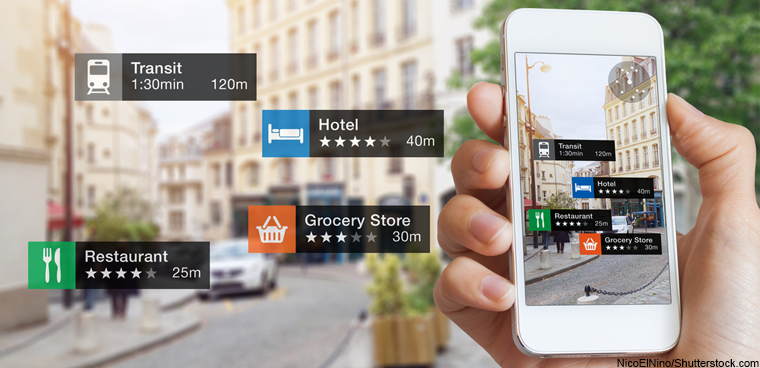
Understanding how bundled inventory operates empowers you to bypass artificial markups, secure genuine savings, and design a trip that balances total convenience with individual freedom.
1. Decoding the Financial Mechanics of Bundled Travel
To get the best value from a vacation package, it helps to understand why travel providers offer these discounts in the first place.
- Opaque Pricing AdvantageAirlines and hotels frequently operate under strict rate-parity agreements, meaning they cannot publicly advertise room rates or flight seats below a certain threshold without damaging their brand value. By bundling these components together into a single price tag, providers hide individual line-item costs. This allows them to offload unsold inventory at steep discounts without triggering price wars in the open market.
- Bulk Procurement and Wholesale ContractsMajor online travel agencies (OTAs) and tour operators buy massive blocks of hotel rooms and flight seats years in advance. Because they guarantee occupancy to resort partners, they secure wholesale rates unavailable to individual consumers. Passing a portion of those wholesale savings on to you creates a win-win scenario for both the platform and the traveler.
- Protection Against Ancillary InflationBooking components separately often leaves travelers exposed to hidden costs, such as individual airport transfer fees, resort surcharges, or peak-season baggage pricing. Comprehensive packages often aggregate these expenses upfront, giving you a clearer picture of your total travel outlay from day one.
2. Choosing the Right Package Architecture for Your Style
Vacation packages are no longer one-size-fits-all. Selecting the right structural model depends entirely on your destination, travel party, and desired level of flexibility.
- Flight and Hotel Bundles (Dynamic Packages)This is the most flexible option for independent travelers. You retain total control over your daily schedule, choosing only your preferred flights and hotel. Dynamic bundles work exceptionally well for urban explorations, road trips, and multi-city itineraries where rigid schedules would hinder spontaneous discovery.
- All-Inclusive Resort BundlesPopular in coastal and tropical regions, all-inclusive packages combine flights, transfers, lodging, meals, beverages, and on-property entertainment into a single fixed price. These packages offer maximum cost predictability, making them ideal for families, large groups, or travelers looking to completely disconnect from daily decision-making.
- Fly-Drive and Self-Guided Tour PackagesDesigned for road-trip enthusiasts and adventurous travelers, fly-drive packages combine long-haul flights, rental vehicle reservations, and pre-booked overnight accommodations along a set route. You enjoy the freedom of driving yourself between destinations without the stress of researching and booking individual hotels every night.
3. Essential Strategies to Maximize Package Value
Securing a packaged deal does not automatically guarantee you are getting the best possible arrangement. Implementing a few strategic vetting steps ensures you get genuine quality alongside financial savings.
- Unbundle to Benchmark Real CostsBefore committing to a package deal, spend ten minutes calculating the individual costs of the exact same flight, hotel, and transport options on direct supplier websites. A package is only worth purchasing if the combined cost provides a clear price discount or includes high-value perks like free breakfast, resort credits, or room upgrades.
- Vetting Property Locations and Room CategoriesBundled deals sometimes achieve low baseline prices by assigning guests to standard entry-level rooms facing parking lots or placing them in properties far from main attractions. Always check the exact room category included in the contract and map the property’s physical distance to key city centers or transit hubs before finalizing your reservation.
- Check Cancellation and Modification RulesBecause packages involve multiple service providers (airlines, hotels, car rental agencies), cancellation policies can be significantly stricter than booking direct. Pay close attention to the terms regarding schedule modifications, trip interruptions, and refund eligibility. Investing in comprehensive travel insurance designed for multi-component trips offers essential peace of mind.
Conclusion
Vacation packages have evolved from restrictive tourist traps into highly flexible, cost-effective tools for modern travelers. By understanding the underlying mechanics of bundled pricing, selecting the structural framework that matches your itinerary, and auditing package details before buying, you can eliminate planning fatigue while saving substantial money. When approached with a clear strategy, bundled travel simplifies logistics and lets you focus on what truly matters: enjoying a seamless, memorable trip.